Career transitions have become increasingly common as industries evolve, technology advances, and professionals seek new opportunities for growth. Whether someone is shifting industries, reentering the workforce, or advancing into leadership roles, the journey often requires more than just experience. It demands structured learning, practical skills, and confidence. This is where vocational training expertise plays a crucial role in guiding individuals toward successful career transformation.
Contents
The Importance of Structured Learning Pathways
One of the biggest challenges during a career shift is bridging the gap between existing knowledge and new industry requirements. Vocational training offers structured pathways that help individuals gain relevant competencies efficiently. In contrast to traditional school programs, these courses are strongly focused on how they can be used in the real world, making sure that students can quickly put what they have learned to use.
Programs such as Certificate IV training and assessment are particularly valuable because they equip individuals with the ability to both learn and teach. This dual capability not only enhances personal skill sets but also opens doors to roles in training, mentoring, and workforce development.
Building Confidence Through Practical Skills
Confidence is often the deciding factor in how successfully someone navigates a career transition. Vocational training emphasises hands-on learning, allowing participants to develop practical skills in a supportive environment. This approach reduces uncertainty and builds self-assurance, making it easier for individuals to step into new roles.
Courses that incorporate real scenarios, simulations, and assessments ensure that learners are not just absorbing information but actively practising it. As a result, they become job-ready and capable of handling workplace challenges with greater ease.
Meeting Industry Specific Requirements
Every industry has its own standards, regulations, and expectations. Vocational training is tailored to meet these specific requirements, making it highly relevant for career changers. Whether someone is entering healthcare, construction, education, or corporate training, specialised programs provide the targeted knowledge needed for success.
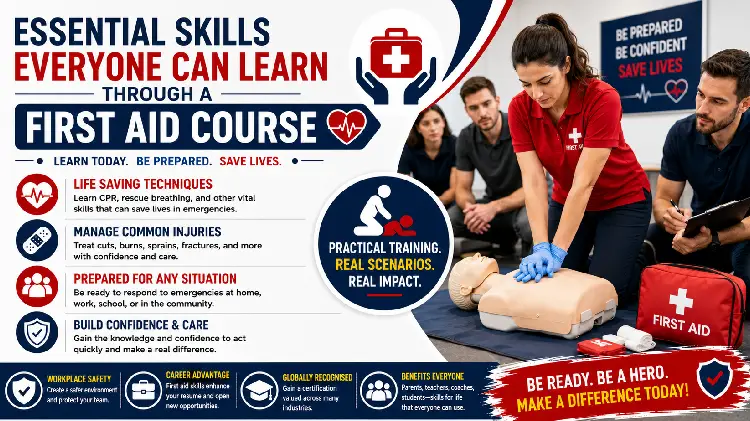
For instance, certifications like Express First Aid Training are essential in many professions where safety and emergency response are critical. Having such qualifications not only enhances employability but also demonstrates a commitment to professional responsibility.
Flexibility for Modern Learners
Today’s professionals often juggle multiple responsibilities, making flexibility a key factor in education. Vocational training programs are designed to accommodate different schedules, offering part-time, online, and blended learning options. This allows individuals to upskill without putting their current commitments on hold.
Enrolling in a training and assessment course sydney can provide learners with access to flexible study modes while still maintaining high standards of education. Thanks to this flexibility, job changes are possible for more people, no matter what their personal or professional situation is.
Supporting Lifelong Learning and Growth
It’s not enough to just switch jobs during a career change. They show a deeper dedication to learning new things and growing as a person throughout life. Vocational training supports this way of thinking by pushing people to keep learning and adapting. In addition to technical skills, learners also learn how to communicate, think critically, and solve problems, all of which are useful in many fields.
By developing these transferable skills, individuals become more resilient in the face of change. They are better prepared to adapt to new roles, embrace emerging opportunities, and navigate future career shifts with confidence.
Enhancing Employment Opportunities
Employers today value candidates who are proactive about their development and possess practical expertise. Vocational training provides a clear demonstration of both. It shows that an individual has taken the initiative to gain relevant skills and is ready to contribute effectively from day one.
In addition, many vocational programs include assessments that mirror real workplace tasks. This ensures that graduates are not only knowledgeable but also capable of performing job-specific duties, making them attractive candidates in competitive job markets.
Conclusion
Supporting career transitions requires more than ambition. It requires access to the right tools, guidance, and learning opportunities. Vocational training expertise provides a powerful pathway for individuals to reinvent themselves professionally while staying aligned with industry needs.
Through structured programs, practical learning experiences, and flexible study options, vocational education empowers people to take control of their career journeys. Vocational training will continue to be important because it helps people learn new skills, boost their confidence, and be successful in the long run, even as industries change.