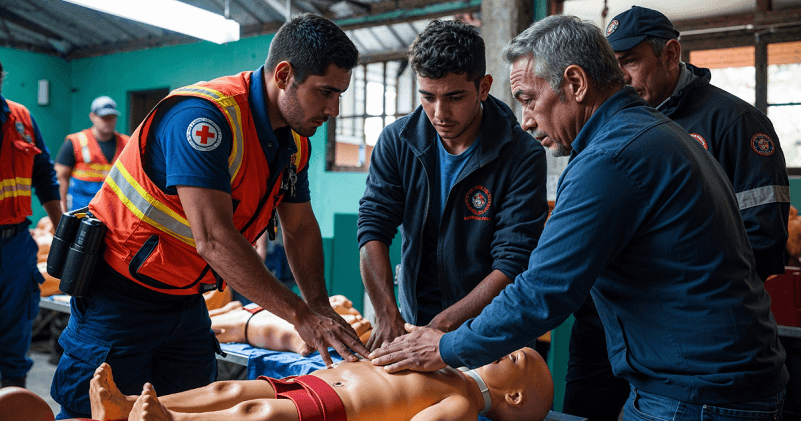
Strong communities are built on trust, cooperation, and the ability to support one another during difficult situations. Emergency training contributes to these qualities by helping individuals develop practical response skills for use during accidents, injuries, or sudden medical emergencies. As more people participate in CPR and first aid education, communities often become safer, more prepared, and more connected through shared awareness and responsibility.
Emergency preparedness education does not only focus on medical techniques. It also encourages people to communicate calmly, work together effectively, and support others during stressful moments. This growing awareness is helping strengthen social confidence across neighbourhoods, schools, workplaces, and public environments.
Prepared Communities Feel More Confident
Communities often feel more secure when people know that trained individuals may be available to assist during emergencies. Whether incidents happen at parks, schools, sporting venues, workplaces, or public gatherings, emergency preparedness knowledge can help reduce confusion and panic.
Courses linked with fap first aid CPR give participants opportunities to practice practical emergency response skills that encourage confidence during unpredictable situations. This confidence helps individuals remain calmer and more focused while supporting others during emergencies.
People who feel prepared are often more willing to step forward and assist when immediate action is needed.
Emergency Education Encourages Cooperation
Emergency situations frequently require teamwork and communication. CPR and first aid education help participants understand how to cooperate with bystanders, family members, coworkers, and emergency responders during stressful moments.
Practical learning environments teach individuals how to stay organised, communicate clearly, and prioritise safety during incidents. These skills improve not only emergency preparedness but also general community cooperation and awareness.
Communities often become more connected when individuals understand the importance of helping one another during difficult situations.
Public Safety Awareness Continues Growing
Modern communities are increasingly aware that emergencies can happen anywhere and affect people from all backgrounds. Public discussions surrounding health, safety, and emergency response have encouraged greater interest in practical preparedness education.
Participants in an accelerated first aid programme receive targeted emergency training that enables them to acquire practical response skills in a reasonable amount of time. Many individuals appreciate training formats that combine convenience with practical learning experiences relevant to everyday life.
This accessibility allows more people within communities to gain valuable emergency preparedness knowledge.
Families Feel More Supported
Families benefit greatly when communities prioritise emergency education. Parents, caregivers, teachers, coaches, and neighbours all contribute to creating safer environments for children and vulnerable individuals.
Emergency training helps adults feel more prepared to respond calmly during accidents, injuries, or sudden medical situations involving loved ones. This preparedness often creates stronger reassurance within families and social groups.
Communities where more people possess emergency response knowledge often develop stronger feelings of trust and shared support.
Local Activities Become Safer
Sporting events, school programs, festivals, and recreational activities all involve environments where injuries or medical incidents may occasionally occur. Communities with greater emergency preparedness awareness are often better equipped to manage these situations calmly and responsibly.
Increasing need for first aid training Brisbane shows how the community is actively promoting useful safety education that boosts public confidence and readiness.
Trained individuals may provide immediate assistance while helping reduce panic during stressful situations in public settings.
Practical Training Improves Real Responses
Hands-on learning is one of the most valuable aspects of emergency education because it allows participants to actively practice techniques rather than only studying theory. Realistic training scenarios help learners become more comfortable applying their skills outside the classroom.
Practical exercises improve memory retention, communication skills, and decision-making under pressure. Participants often leave training with stronger confidence in their ability to respond responsibly during emergencies.
This confidence can positively influence how communities react during critical situations.
Emergency Awareness Builds Social Responsibility
Emergency preparedness education also encourages people to think more about the well-being of others. Participants often become more aware of public safety, accident prevention, and the importance of supporting vulnerable individuals within their communities.
This mindset helps strengthen social responsibility and encourages people to contribute positively during emergencies rather than remaining passive observers.
Communities become more resilient when individuals understand that preparedness and cooperation are shared responsibilities.
Conclusion
Emergency training helps communities feel more secure and connected by encouraging preparedness, communication, and practical support during stressful situations. CPR and first aid education strengthen confidence while promoting greater awareness of public safety and community wellbeing. Programs such as express first aid training are helping individuals develop valuable emergency response skills that contribute to safer homes, workplaces, and public spaces. As more people participate in emergency preparedness education, communities continue to become stronger, more supportive, and better prepared for unexpected events.