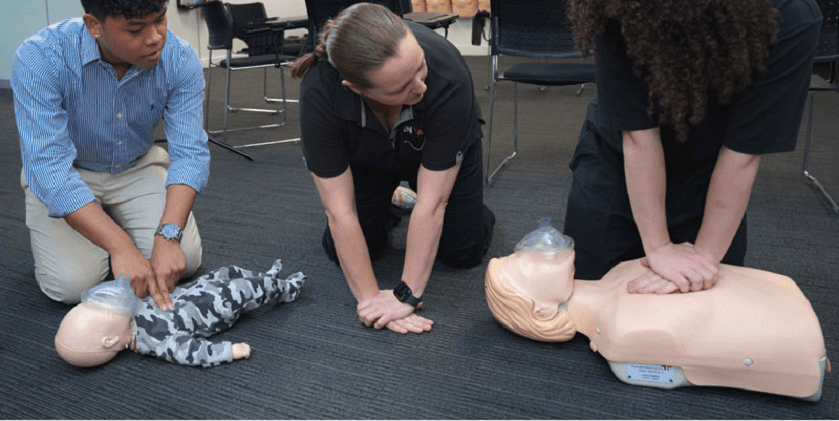
An individual can acquire one of the most valuable skills by learning CPR. In an emergency, immediate action can mean the difference between life and death, especially during cardiac arrest, choking incidents, or breathing emergencies. For residents, workers, and caregivers in Maitland, enrolling in a CPR course is an effective way to gain the confidence and practical ability needed to respond quickly and correctly when it matters most.
Contents
Why CPR Training Matters?
In many cases, cardiac emergencies occur without warning and can occur at any time and in any location. When a person’s heart stops beating effectively, oxygen supply to the brain is interrupted. Performing CPR helps maintain blood circulation and oxygen flow until professional medical help arrives. Irreversible brain injury can occur within minutes in the absence of intervention. CPR training ensures you know how to act immediately rather than feeling helpless during a crisis.
Beyond cardiac arrest, CPR education also teaches how to respond to choking, drowning incidents, and respiratory distress. These skills are not limited to healthcare professionals; they are essential for parents, teachers, construction workers, hospitality staff, and anyone responsible for the safety of others.
Identifying Your Training Requirements
Before enrolling in a course, it is important to consider why you need CPR training. Some individuals require certification for workplace compliance, while others seek training for personal preparedness. If your employer requires proof of competence, you may need a course that provides an accredited first aid certificate Maitland employers recognise.
Parents and caregivers often pursue training to ensure the safety of children and elderly family members. Meanwhile, fitness instructors, childcare providers, and community volunteers benefit from comprehensive programs that include both CPR and basic first aid techniques. Comprehending your objectives will facilitate the selection of the most appropriate certification level and course format.
Accreditation And Course Standards
Not all CPR courses offer the same level of training or recognition. Choosing a nationally recognised and accredited program ensures your certification meets workplace safety standards and legal requirements. Accredited courses follow established guidelines and are delivered by qualified trainers who provide hands-on instruction and assessment.
A quality program should include practical demonstrations, supervised practice sessions, and real-life scenario training. This approach allows participants to build muscle memory and confidence so they can perform CPR effectively under pressure.
Course Content And Practical Skills
When comparing training providers, review what the course covers. A comprehensive CPR course typically includes adult, child, and infant CPR techniques, use of automated external defibrillators (AEDs), and emergency response procedures. Many programs also integrate first aid fundamentals, such as managing bleeding, burns, and shock.
Those seeking broader preparedness may consider first aid courses in Maitland that combine CPR training with emergency care knowledge. This comprehensive methodology provides participants with the capacity to address a diverse array of medical emergencies, as opposed to a single emergency type.
Flexible Learning Options
Modern training providers often offer flexible learning formats to suit busy schedules. Blended courses allow participants to complete theoretical components online before attending a shorter in-person practical session. This format is optimal for parents who are managing multiple responsibilities or working professionals.
Traditional face-to-face classes remain popular because they provide immediate instructor feedback and interactive practice. When choosing a course, consider your preferred learning style, time availability, and comfort level with online learning tools.
Trainer Experience And Learning Environment
Your learning experience can be substantially affected by the quality of instruction. Trainers with real-world emergency response experience offer practical advice and valuable insights that surpass textbook instruction. They can guide participants through realistic scenarios and ensure proper technique.
Additionally, small class sizes often allow more individualised attention, helping participants feel comfortable asking questions and refining their skills.
Certification Validity And Renewal
CPR certifications typically require renewal every 12 months to ensure skills remain current and effective. Emergency response guidelines evolve, and regular refresher training helps maintain confidence and accuracy. When selecting a course, confirm the certification validity period and renewal process so you can stay compliant with workplace or industry requirements.
Building Confidence To Act In Emergencies
One of the greatest benefits of CPR training is the confidence it provides. Many people hesitate during emergencies due to fear of making mistakes. Training replaces uncertainty with knowledge and practice, empowering individuals to take immediate action.
By choosing the right CPR course Maitland, you invest not only in personal safety but also in the well-being of your family, colleagues, and community. With the right training, you will be prepared to respond calmly, act decisively, and potentially save a life when every second counts.