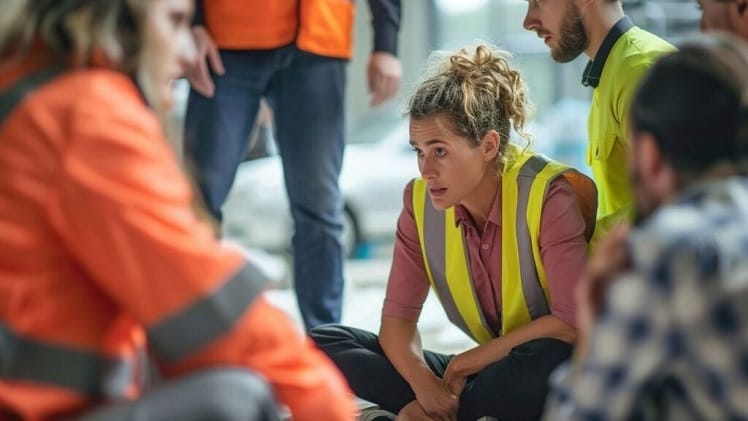
In our fast-paced world, people of all ages are showing more signs of mental problems. Many people encounter situations where a friend, colleague, or family member is struggling mentally, yet they feel unsure about how to respond. Crisis response training bridges this gap by providing practical skills and confidence to step in during difficult moments and offer meaningful support.
Contents
Recognising The Signs Of Emotional Distress
One of the first benefits of crisis response training is the ability to identify when someone is in distress. Emotional struggles do not always present themselves in obvious ways. Sometimes, the signs are subtle, such as withdrawal from social interactions, sudden mood changes, or unusual behaviour.
Through a structured Mental Health Crisis Response Course, individuals learn how to interpret these warning signals accurately. This knowledge allows them to respond early rather than waiting for the situation to escalate into a more serious crisis.
Responding Calmly Under Pressure
When faced with someone experiencing emotional distress, it is natural to feel overwhelmed or unsure of what to say. People who have received crisis response training learn how to maintain composure under pressure.
Instead of reacting impulsively, trained individuals learn to listen actively, communicate clearly, and avoid judgment. This calm presence can make a significant difference for someone who feels anxious or vulnerable. A steady and understanding approach often helps de-escalate tension and creates a sense of safety.
Building Practical Support Skills
Crisis response training is not just theoretical. It focuses heavily on practical techniques that can be applied in real life. Participants are guided on how to initiate conversations, ask the right questions, and offer reassurance without overstepping boundaries.
Programs such as Mental Health Courses Gold Coast emphasise real-world scenarios where participants can practice their responses. These exercises help individuals gain confidence and ensure that they are prepared to act effectively when faced with an actual situation.
Providing Immediate Assistance When It Matters Most
In moments of crisis, timely support can have a lasting impact. Knowing how to respond in the first few minutes is crucial, as it can influence the outcome of the situation.
Training in First Aid Mental Health equips individuals with tools to provide immediate emotional assistance. This includes techniques to comfort someone, reduce panic, and guide them toward professional help if needed. These skills can be especially valuable in workplaces, schools, and public environments where immediate access to mental health professionals may not always be available.
Encouraging Safe And Open Conversations
Another important aspect of crisis response training is learning how to create a safe space for communication. People in distress often hesitate to speak openly due to fear of judgment or misunderstanding.
Trained individuals know how to approach conversations with empathy and respect. They use language that encourages openness rather than shutting it down. This approach helps individuals feel heard and validated, which is a critical step toward recovery.
Supporting Without Taking Control
A common mistake when helping someone in distress is trying to solve their problems immediately. Crisis response training teaches the importance of offering support without taking control of the situation.
Instead of giving unsolicited advice, trained individuals focus on guiding the person toward making their own decisions. Building trust and long-term resilience requires respecting the individual’s autonomy and empowering them.
Strengthening Community Connections
When more people are trained in crisis response, communities become stronger and more connected. Individuals feel more confident looking out for one another, and support networks naturally expand.
This collective awareness reduces stigma and encourages people to seek help without hesitation. Over time, communities that prioritise mental health training become safer, more compassionate, and better equipped to handle challenges together.
Conclusion
Crisis response training plays a crucial role in helping individuals support others during difficult times. By recognising warning signs, responding calmly, and offering practical assistance, trained individuals can make a meaningful difference. As awareness continues to grow, investing in these skills is becoming increasingly important. Whether in personal relationships or professional environments, the ability to support someone in distress is a powerful tool that contributes to healthier and more resilient communities.